Helping You Successfully Navigate Chaos and Uncertainty
Pinnacle Consulting & Advisors delivers assessment-first security and risk management solutions built on 30+ years of law enforcement and corporate security experience. Every engagement is tailored, every technology deployment is purpose-driven.
Solutions That Open the Door
PCA deploys and operationalizes advanced security technology for clients across every sector. These platforms are how most clients first find us, and the foundation every engagement is built on.

Soffit Smart Safety System
Automatic pedestrian detection and focused illumination that highlights the person crossing, not just the space. Incident detection, wrong-way driver alerts, and traffic analytics included.
UVSS: Under Vehicle Surveillance
High-resolution undercarriage imaging with automated anomaly detection in seconds. Real-time LPR integration. Fixed and mobile deployment configurations available.
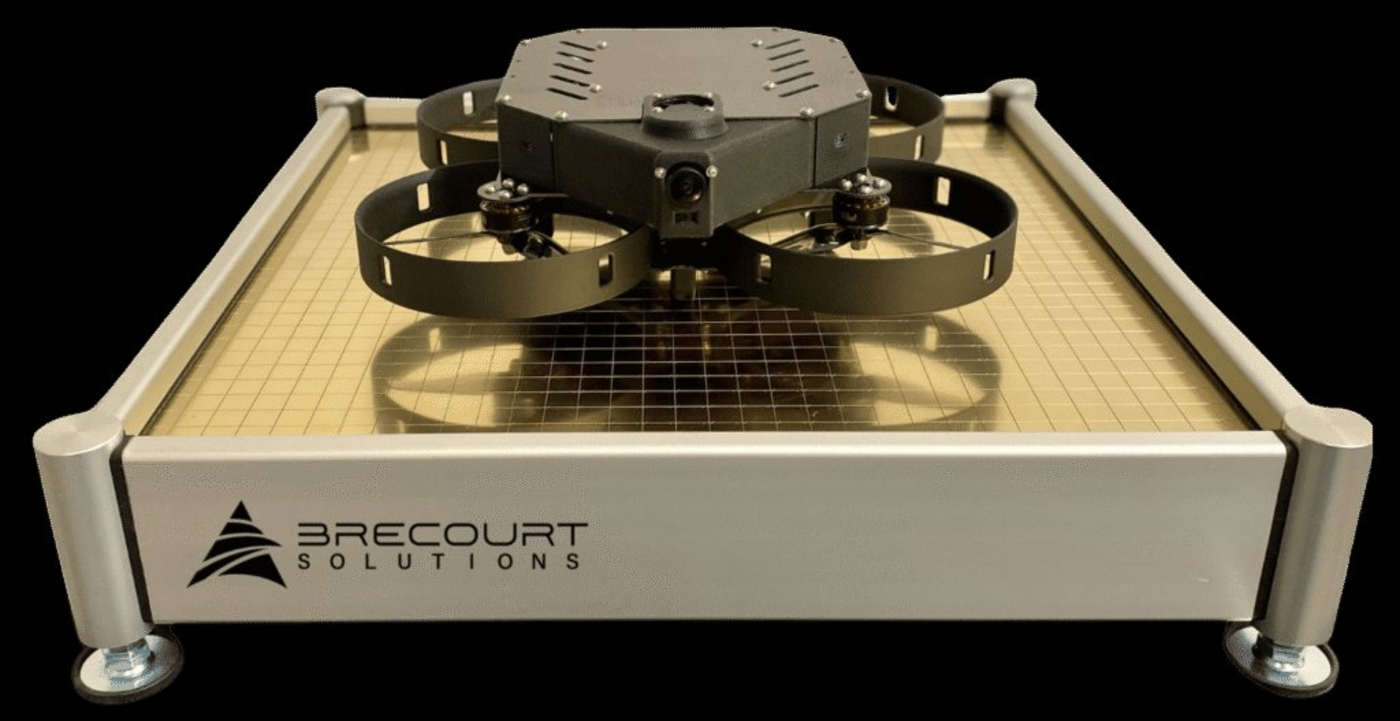
iDFR: Autonomous Indoor Response
The only indoor platform with non-lethal firearm disruption capability. Launches within 10 seconds of breach detection. GPS-denied operation with 360-degree collision avoidance.
Dark Watch
API-first screening against 1,400+ intelligence sources and 450M+ global profiles. $1 per search, no SSN storage. Attaches to existing transactional data streams. No-cost proof of concept available.
ClearSeek
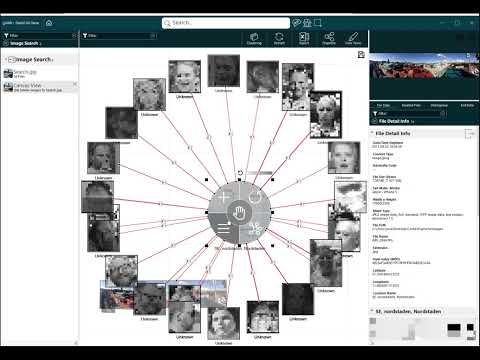
Deterministic pattern recognition that matches objects across video, imagery, and social media even under heavy distortion. Faster and more accurate than machine learning approaches across degraded or partial inputs.
What We Do After the Solution Is Deployed
Technology is the hook. Advisory services are where PCA creates lasting value. Every engagement draws from four core service areas.
- CPTED assessments integrated with surveillance, response protocols, and command operations
- Investigative protocol, post-order development, and procedure design
- Investigative procedure training and public safety policy design
- Law enforcement compatible command integration and documented deployment governance
- Security expert civil case review and analysis
- Continuity of Operations Plan development
- ISO 42001 governance program design aligned with NIST CSF 2.0
- ISO 9001 Quality Management System design and process assessment
- Compliance program design, internal audit, and process integrity oversight
- Code of Conduct, Ethics policy, and regulatory guidance
- Governmental liaison coordination
- Organizational resilience planning
- Physical site security assessments for facilities, campuses, and properties
- Camera system and technology audits for existing infrastructure
- Risk assessment and methodology to cure identified vulnerabilities
- Effective assessment of mechanisms to protect life, property, and operations
- Post-incident site reviews to identify contributing gaps
- Expert witness services for security-related civil cases
- Documented deployment governance and defensibility standards
- Legislative and regulatory coordination related to public safety initiatives
- Project management oversight for security modernization initiatives
- Regulatory and licensing guidance with governmental liaison coordination
- Governmental liaison coordination with state and local agencies
- Lobbying within the State of Nevada on public safety and security matters
- Code of Conduct & Ethics policy development
- ISO 42001:2023 AI Management System design and implementation
- AI policy development and scope definition
- Internal gap assessment and certification roadmap planning
- AI risk identification and mitigation program design
- Alignment with NIST CSF 2.0 for AI-inclusive risk programs
- Governance oversight structure and accountability design
- Documentation and evidence management for audit readiness
- Ongoing advisory and program maintenance retainer options
Founded on the Principle That You Don't Know What You Don't Know
Pinnacle Consulting & Advisors was founded to give public and private organizations access to the strategic advantages typically available only to large corporations. Our team draws from Fortune 500 companies, federal government, and law enforcement, with operations spanning the United States and select international locations.
In every engagement, our focus is on forging an efficient, results-driven relationship. We work collaboratively to create a customized plan of action, tailored to the specific needs of your organization. We are fully licensed, insured, and governed by a strict Code of Ethics and Security Policy.
Assessment First
Every engagement begins with a thorough assessment of your site, operations, and risk environment. No technology recommendation comes before understanding the problem.
Tailored Plan
We build a site-specific plan combining the right mix of technology, advisory services, and operational procedures, not a catalog of products.
Supported Deployment
We see every implementation through: training, SOPs, integration, oversight design, and long-term operational support.
Broader Business Advisory
Beyond security and technology, PCA brings structured operational expertise to broader organizational challenges.
ISO 9001:2015 Quality Management
Quality Management System design, gap assessment, and process integrity oversight aligned with ISO 9001:2015. PCA guides organizations through certification readiness, internal audit preparation, and ongoing QMS maintenance.
NIST CSF 2.0 Alignment
Cybersecurity and operational risk program alignment with NIST CSF 2.0, designed for organizations deploying advanced technology systems and integrated with ISO 42001 governance programs.
Workers' Compensation & Unemployment
Program design and management through third-party insurance administrator partnerships. Appeals management and cost mitigation strategies built on years of successful case navigation.
Business Process Improvement
Operational and financial reviews with a focus on hospitality, food and beverage, and point-of-sale systems. Expert sourcing, reservation systems, and revenue management included.
Ready to Start With an Assessment?
Every engagement begins with understanding your specific environment, risk profile, and operational needs. No technology recommendation before that conversation.
Visibility Is Safety:
A Smarter Approach to Saving Lives
Advanced pedestrian illumination that highlights the person crossing the street, not just the space around them. Integrated analytics add real-time detection for accidents, slip-and-fall events, and wrong-way drivers.
Strobes Alert Drivers to the Light. This System Shows Them the Person.
Most crosswalk systems depend on flashing lights or strobes. At night, those lights draw attention to themselves, not the pedestrian crossing. Drivers become desensitized. Some speed up to beat the crossing entirely.
There are only two guaranteed ways to eliminate pedestrian fatalities: remove all vehicles or remove all pedestrians from roadways. Neither is realistic. What is realistic is focused illumination and smarter analytics, highlighting the person, not just the space.
The Soffit system activates automatically when a pedestrian is detected. No button press required. Day and night functionality. It works as a standalone system or integrates fully into existing traffic control infrastructure.
Soffit dynamic illumination system overview
- Automatic pedestrian detection and focused illumination
- Accident and incident detection
- Wrong-way driver alerts
- Slip and fall detection
- Optional traffic flow analytics
- Automatic strobe activation with no button press required
- Day and night functionality
- Standalone or fully integrated with traffic control infrastructure
- No biometric data stored; fully privacy compliant
Dublin, Ohio is one example of a current Soffit deployment, operating as a live pedestrian safety system at an active intersection.
Beyond Pedestrian Safety
While pedestrian safety is the core function, the Soffit integrated analytics platform has direct applications for security operations, situational awareness, and risk mitigation at any location where pedestrian and vehicle traffic intersect.
- Real-time incident detection that reduces response time and improves first responder accuracy
- Wrong-way vehicle detection with configurable alert thresholds
- Slip, fall, and accident detection with automatic notification
- Analytics data supporting post-incident investigations and liability documentation
- Configurable alerting to security operations centers, dispatch, and designated personnel
- Scalable monitoring across multiple intersections from a single dashboard
- Integration with existing traffic management and ITS infrastructure
Built for Intelligent Transportation System Deployment
Soffit is designed for integration into existing traffic control and Intelligent Transportation System architectures. It can operate as a standalone system or connect to centralized traffic operations centers through standard protocols, making it suitable for city-wide pedestrian safety programs and not just single-intersection pilots.
- Compatible with existing traffic signal control systems
- Integrates with city traffic operations center dashboards
- Supports standard ITS communication protocols
- Scalable from a single intersection to a citywide network
Assessment Through Deployment and Beyond
Every Soffit deployment begins with a site assessment that evaluates intersection geometry, lighting conditions, existing infrastructure, and traffic patterns. No equipment is ordered until the right configuration is confirmed for that specific location.
- Physical site assessment and intersection analysis
- Pilot deployment design and proof-of-concept planning
- City stakeholder and traffic engineering coordination
- Integration with existing operations and infrastructure
- Operator training and alert protocol design
- Performance monitoring and long-term optimization support
Municipalities, Universities, and High-Traffic Private Properties
- City and county traffic engineering departments seeking to reduce pedestrian fatalities
- Universities and campuses with high pedestrian and vehicle intersection volume
- Hospital and healthcare campuses with vulnerable pedestrian populations
- Private commercial properties with active parking and crosswalk exposure
- Transit agencies and transportation authorities managing multimodal intersections
Soffit pairs naturally with PCA advisory services and integrates with leading ITS platforms.
Want a deeper look at the operational concept and use cases for Soffit?
Read the Deep DiveHave questions about Soffit?
See the FAQRequest a Demo or Pilot Deployment
Currently introducing this system regionally and working with city stakeholders to establish local pilot sites. Contact us to discuss your intersection or crosswalk challenge.
Pedestrian Safety Through Visibility, Not Activation
Why most crosswalk lighting fails when it matters most, and how focused pedestrian illumination changes the equation.
The Problem: Why Current Pedestrian Safety Lighting Falls Short
Pedestrian fatalities continue to rise in high-traffic urban areas. The most common safety measure at crosswalks has not changed in decades: flashing strobes or beacons activated by the pedestrian pressing a button. The design assumes the pedestrian sees the button, presses it, and the system works. Each of those assumptions breaks in the field.
Drivers become desensitized to flashing lights. At night, those same strobes create glare that pulls the eye away from the actual person crossing. In some cases, drivers see the lights and accelerate to clear the crosswalk before the pedestrian arrives. When the activation button is missed, ignored, or unreachable, the system does nothing at all. The pedestrian, who is the one variable that actually needs to be visible, remains in the dark.
The deeper problem is light design. Most modern street lighting is built to illuminate the roadway, the signs, and the buildings around it. Pedestrians blend into that environment. At night, a person standing in or entering a crosswalk does not stand out from the background. The eye registers the lights, the signs, and the painted lines. The person is the last thing the driver sees.
There are only two guaranteed ways to eliminate pedestrian fatalities entirely: remove all vehicles, or remove all pedestrians from roadways. Neither is realistic. What is realistic is changing where the light is pointed.
The Operational Concept: Light the Person, Not the Pavement
The Pedestrian Illumination Safety Soffit System operates on a different principle than traditional crosswalk lighting. Instead of broadcasting attention to the crossing area, it focuses directional light on the pedestrian using it.
Three design choices make the difference.
First, detection is automatic. Sensors monitor a defined zone around the crossing. When a person enters, the Soffit illuminates that person directly. No button press is required. The system does not depend on the person crossing to participate in the operation of the safety equipment.
Second, the light is focused on the individual, not on the painted bars or the surrounding area. The pedestrian appears as a clearly defined silhouette to approaching drivers, distinct from the visual noise of the road. This is the opposite of how strobes work, which point light back at oncoming traffic and rely on the driver registering the flashing pattern.
Third, the system operates day and night. Visibility loss is not exclusively a night problem. Glare, weather, sun angle, and complex urban backgrounds all reduce pedestrian visibility during daylight as well. The Soffit's focused illumination improves how clearly a pedestrian is seen across the full range of conditions.
The system can run as a standalone safety enhancement at a single crossing, or it can be integrated into existing traffic control and surveillance infrastructure. That choice is determined by the project scope and the operational needs of the site.
Built-In Intelligence Beyond Lighting
The Soffit is more than a lighting fixture. The platform supports an optional analytics module that produces real-time intelligence for traffic safety and risk management.
- Accident detection at the crossing or surrounding intersection
- Wrong-way driver alerts
- Slip and fall detection within the crossing area
- Traffic flow and pedestrian counting analytics
- Automatic strobe activation as a secondary alert layer
- Continuous day and night operation
No biometric data is captured, stored, or transmitted by the analytics module. The system is built to operate within privacy standards from the start.
Integration Approach
A Soffit deployment is more than installing a fixture. The platform changes how the site addresses pedestrian risk, and that requires integration with the existing safety, traffic, or surveillance posture. PCA's role on every Soffit engagement covers:
- A site assessment that identifies the specific risk factors at the crossing or intersection, including sight lines, lighting conditions, sign placement, traffic volume, and any obstructions
- A pilot deployment plan when proof-of-concept evaluation is appropriate before a wider rollout
- Integration planning with existing electrical or solar infrastructure on site
- Long-term use strategy covering maintenance, reporting, and how the system connects to broader municipal or facility safety operations
- Optional training of the client's own facility personnel to perform the physical installation, which lowers cost and keeps maintenance capability with the client
PCA does not resell equipment in isolation. Each Soffit deployment is built around the specific intersection or crossing, with the operational outcome defined before the hardware is procured.
Pilot Sites and Engagement
The Soffit System is currently being introduced regionally. Pilot deployments and proof-of-concept installations are available with city stakeholders, transportation authorities, private campus operators, and facility managers who own or operate intersections with elevated pedestrian risk. The platform is appropriate for both municipal safety projects and private facilities such as resorts, corporate campuses, hospitals, and business centers where pedestrian and vehicle paths intersect.
Discuss a Pilot Deployment or Site Assessment
Contact PCA to discuss how the Soffit System can be deployed at your intersection or crossing.
Redefining Facility Safety:
Semi-Autonomous iDFR Drones for Threat Response
Fire alarms and sprinklers are code-mandated in every building. When it comes to violent threats, most facilities still depend on passive cameras and manual notification. The iDFR changes that equation.
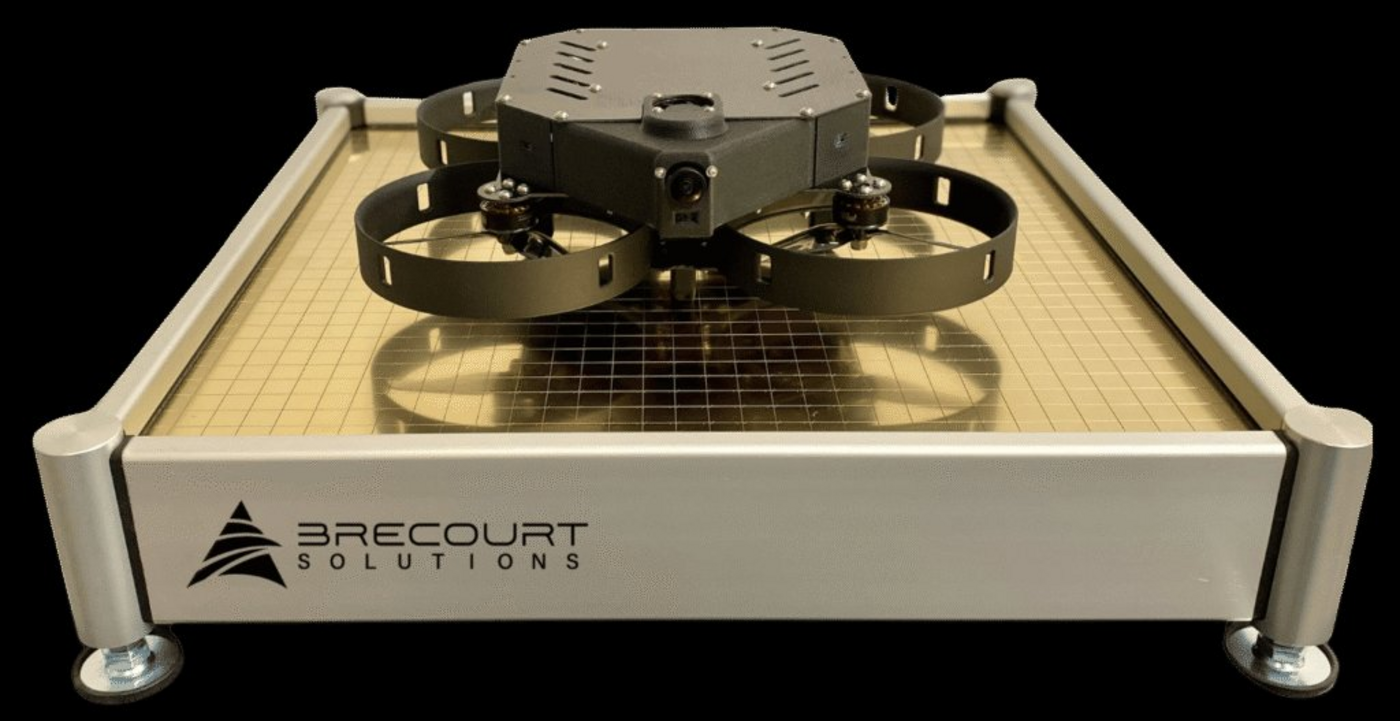
Brecourt Close Quarters Drone (CQD): indoor first responder platform
The First Few Seconds Are the Most Deadly. Most Facilities Have No Answer for That.
Most facilities still rely on passive surveillance. Cameras record but do not act. Analytics must first identify a threat, operators must validate it, and only then does the notification process begin. By that point, harm may already be occurring.
Pinnacle Consulting & Advisors, in partnership with Brecourt Solutions, introduces the Close Quarters Drone (CQD), an indoor drone first responder designed to act in the most critical seconds. Purpose-built for GPS-denied environments, the CQD launches instantly, locates and tracks threats, streams real-time intelligence, and deploys non-lethal disruption tools.
- Most drones depend on GPS signals that are blocked or degraded inside buildings
- Conventional drones require a trained pilot and spotter to operate, pulling personnel away from other critical tasks
- Standard systems fail to fly, lose positional stability, or are unsafe in confined environments like hallways and stairwells
Advanced onboard navigation sensors and visual-inertial localization allow the CQD to fly semi-autonomously in hallways, rooms, stairwells, and confined structures with no GPS required.
Four Phases. Seconds to Deploy.
Detection
Integrated video analytics or manual operator input identifies a threat. The system can be configured to detect a firearm or other dangerous item visually.
Deployment
The drone launches autonomously and enters scanning mode, using onboard analytics to search for the threat within its visual range. No onsite pilot is required.
Disruption
A remote pilot from an operations center or on-site takes control, navigates to the threat, streams live video, and can employ non-lethal disruption tactics.
Support
The drone provides ongoing surveillance under pilot control until the incident concludes, acting as a force multiplier for responding law enforcement and security.
The Close Quarters Drone (CQD) by Brecourt Solutions
- Semi-autonomous and full manual control options, both available now
- GPS-denied operations using visual-inertial localization for stable indoor flight
- 360-degree collision avoidance designed for hallways, stairwells, and confined spaces
- Non-lethal countermeasures to disrupt and slow an attacker
- Real-time live video feed streamed to security teams, SOC, and command posts
- Docking station deployment: launches within 10 seconds of breach detection
- Docking station placement within 30 meters of any breach point
- Only indoor platform on the market with non-lethal firearm disruption capability
- Fully autonomous deployment in final development
The Only Indoor Platform With Non-Lethal Disruption Capability
Fire alarms and sprinklers are code-mandated because waiting for the fire department costs lives. The same logic applies to active threats. The iDFR is the first indoor-capable drone platform that does not just observe a threat. It can actively disrupt one, buying critical time for evacuation and law enforcement response.
- Acts within the first 10 seconds, before law enforcement arrival
- No trained pilot required on site. A remote pilot operates from the SOC or an offsite location
- Streams live intelligence directly to responding officers before they enter
- Reduces the information gap that causes responders to operate blind
Assessment, Integration, and Operational Readiness
PCA goes beyond equipment placement. Every iDFR deployment is preceded by a full facility assessment that determines coverage zones, docking station placement, integration points with existing cameras and access control, and the SOC or remote guarding configuration needed to operate it.
- Facility threat assessment and vulnerability analysis before any deployment
- Docking station placement planning for maximum coverage with minimum blind spots
- Camera system audit and analytics integration planning
- SOC configuration and remote guarding firm integration
- Law enforcement pre-briefing and coordination protocol development
- SOP development, staff training, and after-action review design
Where iDFR Deployments Make the Most Difference
- K-12 schools and universities where response time gaps are most critical
- Houses of worship with large congregant populations and open access environments
- Hospitals and healthcare facilities with complex interior layouts
- Corporate campuses with multiple buildings and access-controlled interiors
- Hotels, casinos, and hospitality venues with high occupancy and limited sight lines
- Remote guarding firms and SOC operators seeking to extend physical response capability
Be Part of What's Next
Brecourt is in the process of developing the fully autonomous drone package, including outdoor capability. PCA is currently seeking a small number of agencies, security guard companies, remote guarding firms, and SOC-driven organizations to participate as early access partners, providing real-world feedback that shapes system development.
CQD drone in flight, April 2026
iDFR is most effective as part of a layered security posture.
Want a deeper look at the operational concept and the four phases of a CQD response?
Read the Deep DiveHave questions about iDFR?
See the FAQExplore Pilot Deployment or Partnership
Law enforcement, school administrators, private security managers, and high-risk property owners are invited to connect about pilot opportunities and early access.
Indoor Threat Response: A Deeper Look at the iDFR System
Why indoor active-threat response demands a different design than outdoor or perimeter security, and how the Close Quarters Drone changes the timeline of an incident.
The Problem: The Indoor Response Gap
Every building in the country protects against fire. Smoke detectors, sprinklers, suppression systems, and evacuation routes are code-mandated and culturally accepted as standard infrastructure. Fire events are statistically rare, yet automated systems are everywhere because the consequences of a delayed response are unacceptable.
The equivalent protections for violent threats are almost nonexistent. Most facilities still rely on passive surveillance where cameras record but do not act, locked doors that fail once an intruder is inside, and manual notifications that depend on someone seeing the threat, confirming it, and starting a dispatch process. Video analytics can flag a weapon, but those alerts then require human validation, a notification chain, and physical response. By the time security or law enforcement arrives, the most dangerous seconds have already passed.
The gap is structural. Indoor active-threat response was never built into facility design the way fire safety was. The result is a class of high-consequence event that has no automated countermeasure inside the building.
The Operational Concept
The Close Quarters Drone (CQD) is built specifically for the indoor problem. It was designed from the start by people with military and first-responder backgrounds and direct experience in interior threat environments. That heritage is the reason it operates in places where conventional drones either fail outright or require so much pilot input that they cannot be deployed at the speed an incident demands.
Three design choices define how the CQD operates.
First, GPS-denied flight is the default rather than the exception. Schools, office buildings, parking structures, and event venues block or degrade GPS signal. The CQD uses visual-inertial localization, onboard sensors, and proprietary navigation software to fly through hallways, stairwells, and confined rooms without external beacons or GPS. That capability is not a feature add-on. It is the foundation that lets the CQD operate at all in the spaces where indoor threats actually occur.
Second, the drone reduces the pilot burden dramatically. Conventional drones require a trained pilot on site and often a spotter, which pulls personnel away from the response. The CQD launches from a fixed docking station, flies semi-autonomously toward the area of concern, and uses onboard analytics to continue scanning. A remote operator located in a security operations center anywhere can take control when intervention is appropriate. Operational testing has been conducted with operators controlling the CQD from more than 2,000 miles away from the facility being defended, with low latency on both control and video.
Third, the platform is a force multiplier rather than a replacement. The CQD is not a substitute for sworn personnel. It is a first arrival on scene that buys time, streams visual intelligence, and creates situational awareness during the seconds when responding teams are still mobilizing. The CQD also carries a nonlethal disruption capability, which is currently the only such capability available on an indoor drone platform.
The Four Phases
A CQD deployment unfolds across four phases, each measured in seconds rather than minutes.
Phase 1. Detection
The event is triggered either by integrated video analytics that visually identify a weapon or other threat indicator, or by a manual command from an operator. A human is always part of the validation step. Detection is the only phase where time is spent reviewing rather than acting, and even that review is measured in seconds because the analytics flag the visual signature in near real time.
Phase 2. Deployment
The drone launches immediately from its docking station and flies toward the area of concern using onboard navigation. No pilot is needed on site. The drone is moving while the rest of the response is still being notified.
Phase 3. Disruption
A remote operator from a security operations center, or an operator on site, takes control of the drone. The operator streams live video to responding law enforcement, navigates the drone to acquire the threat visually, and can deploy nonlethal countermeasures to slow or disorient the attacker. The objective in this phase is to compress the time between the start of the incident and the moment responders have control of the scene.
Phase 4. Support
The drone remains on station under operator control until the incident concludes. The CQD continues to stream video, supports law enforcement movement through the facility, and assists with medical response decisions by giving responders visual access to areas they have not yet cleared.
All four phases can unfold within seconds of a verified threat, in a building with no GPS signal, with no on-site pilot, and without requiring responding personnel to enter unknown spaces blind.
Integration Approach
Adding a CQD platform to a facility is not the same as installing a camera. The platform changes the operational doctrine of how the site responds to a threat. PCA's role on every iDFR engagement is to make sure the doctrine is built before the hardware is deployed.
Each engagement includes:
- A threat assessment that establishes which spaces, entry points, and event types the CQD is being deployed to address
- A camera and analytics audit that confirms whether existing surveillance can support the detection step or identifies what needs to change
- An integration plan that connects the CQD to the security operations center, the dispatch chain, and where appropriate, local law enforcement
- Operator training on both manual and semi-autonomous modes
- Standard operating procedures and use-of-force policies that govern when the nonlethal capability is deployed and by whom
- After-action reviews following any live deployment or planned exercise, used to refine the deployment doctrine over time
The CQD platform is only as effective as the procedures around it. A drone with no SOP is a tool waiting to be used incorrectly. PCA builds the doctrine first.
Early Access Program and Engagement
The current production CQD is available now. The fully autonomous version of the platform, which will reduce arrival times further and remove the need for an operator during routine surveillance use, is in the final stages of development.
PCA is currently working with:
- Law enforcement agencies evaluating indoor response capability
- School administrators and district safety leadership
- Private security managers responsible for high-risk venues, large corporate campuses, or major events
- Remote guarding firms and SOC-driven security operations interested in piloting the platform under their existing remote monitoring workflow
The Early Access Program for SOC-controlled iDFR deployment is opening to a limited number of remote guarding and SOC organizations. Participants help shape system development and gain access to a capability that is still in active refinement. Early Access participation is not a procurement commitment.
A hypothetical case study applying the iDFR concept to the 2025 Louvre heist, illustrating how indoor response timing changes when a CQD is part of the facility plan, is available on LinkedIn: Turning Minutes into Control: How iDFR Could Have Changed the Louvre.
Discuss a Pilot Deployment or Facility Assessment
Contact PCA to discuss how the iDFR can be integrated into your operational environment.
Know What Is Under Every Vehicle Before It Enters Your Property
High-resolution undercarriage imaging, AI-powered anomaly detection, and real-time LPR integration, delivered and operationalized by PCA through our partnership with SecurOS.

Sample UVSS undercarriage scan, high-resolution imaging in real time
Mirrors and Canine Inspections Are Slow, Inconsistent, and Expose Personnel to Risk
Traditional under-vehicle inspection relies on handheld mirrors or canine teams. These methods create traffic bottlenecks, fatigue operators, and expose security personnel to risk from moving vehicles.
UVSS delivers a complete undercarriage scan in seconds, capturing high-resolution images analyzed in real time. Suspicious zones are flagged automatically. Operators can direct their attention to specific areas rather than searching blindly. Throughput improves. Accuracy improves. Personnel stay safe.
- High-definition machine vision cameras with adaptive LED lighting and patented dewarping technology
- AI-powered automated foreign object detection (FOD) and anomaly mapping
- Real-time cross-referencing with LPR/ANPR and facial identification when required
- Fixed and mobile deployment configurations
- Centralized monitoring from a single operator interface across multiple checkpoints
- IP68 weatherproofing and 30-ton-per-axle load capacity for 24/7 operation
- GSOC and access control system integration
Industries and Environments
Airports & Seaports
High-volume access points requiring continuous screening without creating bottlenecks for cargo, personnel, or passenger vehicles.
Government & Defense
Classified facilities and secure perimeters where every vehicle entry must be documented and screened against known threat profiles.
Energy & Critical Infrastructure
Power generation facilities, substations, and pipeline access roads where unauthorized vehicle intrusion represents a high-consequence risk.
Corporate & Industrial Campuses
Multi-entry facilities with high daily vehicle traffic that need continuous screening without slowing operations.
Stadiums & Large Venues
Event-based deployment using mobile UVSS units for temporary access point screening at large public gatherings.
Customs & Border Security
Rapid screening of commercial vehicles and passenger vehicles at land crossings where throughput and detection accuracy must both be high.

UVSS scan capability overview

SecurOS operator dashboard with live scan and LPR integration
UVSS system overview
Mobile UVSS deployment
Technology Is Only as Good as Its Operational Integration
PCA goes beyond equipment delivery. We embed UVSS into your daily access control operations so that it creates measurable, defensible value from day one. Throughput improves. Documentation improves. Accountability improves. Every scan is timestamped, stored, and searchable.
- Define clear screening objectives with your leadership before any configuration begins
- Conduct a site assessment to confirm the right deployment type (fixed, semi-fixed, or mobile) for your access geometry
- Build oversight processes that strengthen accountability and support compliance and audit requirements
- Confirm staff training is complete and SOPs are in place before go-live
- Establish reporting structures that deliver meaningful intelligence rather than raw image data
- Integrate with existing GSOC, VMS, or access control platforms for a unified operating picture
- Design for scalability so the system grows as your threat profile changes
What Changes on Day One
- Complete undercarriage scans in seconds with no vehicle stop required in many configurations
- Faster and more accurate inspections with reduced congestion at access points
- Higher detection rates for explosives, contraband, and vehicle tampering attempts
- Automated, timestamped audit trails supporting incident investigation and regulatory compliance
- Centralized monitoring across multiple checkpoints from a single operator interface
- LPR cross-referencing allows flagged plates to trigger automatic alerts before the vehicle reaches the barrier
- Integration into GSOC, access control, and incident management systems
PCA deploys UVSS through its partnership with ISS SecurOS, a globally deployed intelligent video platform. SecurOS provides the underlying analytics engine, the LPR integration, the centralized dashboard, and the operator alerting system. PCA provides assessment, deployment governance, and integration with your existing security infrastructure.
UVSS pairs naturally with PCA advisory services and integrates with the broader ISS SecurOS platform.
Want a deeper look at the operational concept and use cases for UVSS?
Read the Deep DiveHave questions about UVSS?
See the FAQRequest a Demonstration or Proof of Concept
Permanent installation, mobile pilot, or multi-site program: PCA designs the right configuration for your site and security objectives.
From Manual Inspection to Automated Vehicle Screening
Why under-vehicle scanning matters at access points, and how automated imaging, comparative analysis, and identity linkage replace the limits of mirrors, canines, and manual inspection.
The Problem: Manual Inspection at Vehicle Access Points
Vehicle access control is one of the most consistent vulnerabilities in physical security. The standard inspection methods, mirrors on poles and trained canines, have not changed substantively in decades. Each has a known set of limits.
Mirror inspections require an operator to position themselves near a moving vehicle, often crouched at ground level, with a limited view of any single area at any moment. The result is slow, physically demanding, and inconsistent across operators and shifts. Documentation of what was actually inspected is rarely captured, which means there is no audit trail when a question arises later.
Canine inspections are effective for specific threat profiles but require trained handlers and animals, take time per vehicle, and cannot operate continuously. Throughput at busy access points becomes a tradeoff between security and operational flow.
Both methods share a structural limitation: they capture nothing. There is no comparison across visits, no record of what the undercarriage looked like the last time the same vehicle entered, no link between the inspection and the driver, and no way to identify modifications, new components, or concealed objects that were not present on a prior visit.
The underlying problem is that vehicle inspection at most facilities is still an act, not a system.
The Operational Concept: Imaging, Analysis, and Comparison
The Under-Vehicle Surveillance System (UVSS) replaces the inspection act with a continuous imaging and analysis system. Vehicles drive across a recessed or surface-mounted camera array. The system captures high-resolution images of the entire undercarriage in seconds, stitches those images into a complete view, and presents the result to the operator at a workstation a safe distance from the vehicle.
Four design choices define how UVSS operates.
First, the imaging is automatic. Each vehicle that passes is scanned without any operator action at the point of capture. The system uses adaptive LED illumination and patented dewarping technology to produce clear, distortion-free composite images, even when the vehicle is moving at varying speeds.
Second, the system applies automated analysis. Onboard analytics highlight suspicious zones on the undercarriage, including foreign objects, anomalies, mechanical alterations, and concealment attempts. The operator's attention is directed to specific areas of the image rather than spent on visual search.
Third, every scan is linked to identity. UVSS integrates with license plate recognition, and where required, driver or passenger identification at the access point. Every undercarriage scan can be tied to a specific vehicle and individual, creating a complete audit trail.
Fourth, the system compares against history. Each scan is stored and time-stamped. When the same vehicle returns, the current scan can be compared against prior visits to identify modifications, new components, damage, or concealed items that were not present before. This is the capability that mirrors and canines cannot replicate at any scale.
Deployment Architecture
UVSS is delivered in both fixed and mobile configurations to match the operational profile of the site.
Fixed installations are appropriate for critical infrastructure, border crossings, government facilities, and other locations where continuous inspection at a specific access point is required. The platform supports up to 30 tons per axle, holds an IP68 weatherproof rating, and operates 24/7 across extreme temperature and weather conditions.
Mobile units are packaged in rugged transport cases for rapid setup at temporary venues, event sites, or facility locations where the inspection requirement is short-term, seasonal, or site-specific. Setup and teardown are measured in hours rather than days.
Multiple UVSS checkpoints can be coordinated from a single operator interface. Images, video, and analytics from each station synchronize to a central monitoring system, which allows large facilities, multi-entry campuses, and event sites to operate inspections from a single command center.
Integration Approach
A UVSS deployment is only valuable when it is connected to the systems and decisions it is meant to support. PCA's role on every UVSS engagement covers:
- Integration with existing license plate recognition, gate controls, access control systems, and broader surveillance networks
- Connection to the GSOC or command structure that owns oversight and response
- Operator training on the capture, analysis, and comparative review workflows
- Standard operating procedures that govern when the system is used, who reviews flagged scans, and how findings are escalated
- Reporting structures that surface meaningful intelligence rather than raw image counts
- Long-term life cycle support including configuration changes, software updates, and scaling across multiple sites
The platform becomes a force multiplier only when the procedures, training, and oversight wrap around it correctly. PCA builds those layers as part of every deployment.
Industries and Engagement
UVSS deployments are appropriate for environments where vehicle-borne threats represent a credible risk or where compliance and liability documentation require a verifiable audit trail of vehicle access. Common deployment sites include:
- Airports and seaports
- Customs and border control checkpoints
- Government and defense facilities
- Energy and critical infrastructure
- Industrial and corporate campuses
- Stadiums, cultural venues, and large-scale events
Pilot deployments and proof-of-concept evaluations are available before a full installation commitment.
Schedule a Demonstration or Proof of Concept
Contact PCA to discuss a UVSS demonstration, pilot deployment, or permanent installation.
Solar-Powered Mobile Surveillance: Deployable Anywhere, NDAA Compliant
Access to a large inventory of NDAA-compliant solar-powered surveillance trailers through PCA's partnership with SCT, with preferred pricing and hundreds of units available for single-site deployments and large multi-site programs nationwide.

SCT trailer inventory available through PCA partnership
Infrastructure-Free Surveillance That's Up and Running the Same Day It Arrives
These trailers require no permanent power source, no trenching, and no construction. Solar arrays charge rapidly during daylight hours, and onboard lithium battery systems keep cameras and analytics running for extended periods independently.
Deployed on the Las Vegas Strip, Downtown Las Vegas, at election sites, and for law enforcement needs. These platforms have been tested in some of the most demanding real-world environments. PCA's partnership with SCT provides preferred pricing that normally only large, long-term programs access.
- Solar array with high-capacity lithium batteries for extended operation without external power
- Optional 110V outlet or generator connection for supplemental power in low-sunlight environments
- High mast of over 26 feet for wide-area coverage
- 8-camera head unit: 4 fixed, 4 PTZ with 30x optical zoom
- 1080p high-definition cameras with approximately 300-foot infrared range
- All-weather climate-controlled housing
- Built-in GPS tracking and anti-tamper alerts with remote notifications
- 4G LTE wireless streaming standard; also supports point-to-point, Wi-Fi, and satellite
- Thermal signature tracking and active deterrence options
Intelligent, Not Just Watchful
Video Analytics
- Search people by clothing color
- Identify vehicles by color and type
- License plate recognition with alerting
- Thermal signature tracking
- Line crossing, intrusion, and loitering detection
Remote Management
- Centralized dashboard with mobile access
- Authorized staff can monitor cameras, review events, and manage alerts from one interface
- RTSP streams available for integration into your existing VMS
- Historic footage accessible through platform interface
Monitoring Options
- Internal staff access through dashboard or mobile app
- Integration with existing VMS or security platform
- Third-party live agent monitoring available at additional cost
- Designed to be monitored the way your operation is structured

Standard head unit configuration
SCT trailer inventory available through PCA
SCT solar mobile surveillance platform deployment
- Special events, festivals, and temporary venues requiring rapid deployment
- Parking structures and surface lots, most garages depending on clearance height
- Construction sites, laydown yards, and materials staging areas
- Remote facilities, pipeline access roads, and utility infrastructure sites
- Short-term risk hot spots identified through a PCA security assessment
- Long-term sites where traditional fixed CCTV is not cost-effective or structurally feasible
- Election sites and government facilities requiring temporary coverage
- Law enforcement operations requiring mobile situational awareness
- Downtown corridors, entertainment districts, and public gathering areas
Standard offering is a fixed monthly rental that includes warranty and repair coverage in most cases where damage did not involve intentional acts or negligence. Purchase options are available for organizations preferring to own the asset outright for long-term deployments.
- Delivery, setup, and removal are not included in the lease and are billed separately, quoted based on site location and scope
- Short-term event rentals supported with advance scheduling
- Highly customizable: camera packages, PTZ configurations, thermal, audio deterrence, and analytics
- Continental US coverage. Alaska and Hawaii supported with advance planning
- Camera brand alternatives available: Axis, Panasonic, Milesight, Hanwha, and others
- Multi-unit programs available with preferred pricing through PCA's SCT partnership
SCT trailers are most effective as part of a larger, integrated security approach.
Want a deeper look at the operational concept and use cases for SCT?
Read the Deep DiveHave questions about SCT?
See the FAQReview Pricing, Availability, and Deployment Options
Single-site pilot or multi-site program: PCA has preferred inventory access and can configure the right solution for your timeline and budget.
Mobile Solar Surveillance: Coverage Where Permanent Infrastructure Is Not the Answer
When fixed CCTV is the wrong fit, and how solar mobile platforms deliver visibility, deterrence, and intelligence without construction, power runs, or fixed commitment.
The Problem: Fixed Surveillance Has Real Limits
Permanent CCTV infrastructure makes sense when the requirement is permanent. The site, the risk profile, and the operational need are all stable. When any of those factors are temporary or shifting, fixed surveillance becomes the wrong tool.
Several scenarios expose the gap. A construction site has changing layouts, valuable materials, and a finite project lifespan. Permanent cameras are overbuilt for the duration. Temporary venues and special events need coverage for days or weeks, not years. Risk hot spots emerge in response to incidents, then move as conditions change. Remote sites and utility yards may need coverage but have no electrical service to support fixed cameras.
The cost barrier is just as real. Trenching, conduit, network drops, and the engineering to put fixed cameras where they need to be can easily exceed the budget for the underlying security need. Many projects end up underprotected because the only available option carries a fixed-infrastructure price tag the project cannot absorb.
The operational gap is the same in every case: the site needs coverage, but the situation does not justify the permanence, cost, or build time of permanent infrastructure.
The Operational Concept: Self-Sufficient Mobile Surveillance
SCT solar mobile surveillance trailers are designed for the scenarios where fixed infrastructure does not fit. Each trailer is a self-contained surveillance platform with its own power, cameras, analytics, network connectivity, and active deterrence layer.
Four design choices define how the platform operates.
First, power is self-generated. A high-capacity solar array charges the onboard lithium battery system during daylight hours. The battery sustains the camera system for extended periods, in most environments for days, before requiring additional charge. For regions with limited sunlight or heavy seasonal cloud cover, auxiliary power generation can be added to maintain continuous operation.
Second, deployment is rapid. The trailers tow to the site, deploy on built-in leveling jacks, and raise the camera mast in minutes. No trenching, no network drop, no permits typically required. A site can move from no coverage to operational surveillance in less than a working day.
Third, the platform meets NDAA compliance baseline requirements from the factory. Camera options can be tailored to the project, with standard SCT builds and alternative manufacturers including Axis, Panasonic, Milesight, and Hanwha available based on the operational need.
Fourth, the platform is field-proven. SCT trailers have been deployed at the Las Vegas Strip, downtown Las Vegas, election sites, special events, construction sites, and active law enforcement support operations across the continental United States.
Configuration and Capability
The standard SCT build is a multi-camera head unit on a mast that extends over 26 feet when fully deployed. The standard package includes eight cameras: four fixed cameras maintaining constant coverage on priority zones, and four PTZ cameras that can be directed to track movement, assess developing activity, or verify alerts. A dual-lens PTZ option provides a full panoramic view paired with 30x optical zoom for detailed observation at distance.
The platform supports a deep analytics stack:
- People search by clothing color
- Vehicle identification by color and type
- License plate recognition with alerting
- Thermal signature tracking
- Line crossing, intrusion, and loitering detection
- Custom event search by time, object, or alert type
Active deterrence is built in: visible lighting and audio warnings can be triggered to discourage unwanted activity. Anti-tampering alerts and built-in GPS tracking protect the trailer itself.
Network connectivity uses 4G LTE as standard, with secure point-to-point, WiFi, or satellite options available based on site conditions. Edge recording preserves footage locally even if network connectivity is interrupted.
Operating Models and Integration
SCT platforms are available under multiple operating models so the client picks the structure that fits the project rather than fitting the project to a structure.
Rental is the most common option. A fixed monthly rate covers the platform, warranty, and standard repair where damage is not caused by intentional acts or negligence. Delivery, setup, and removal are not included in the monthly lease. They are billed separately and quoted based on the site location and scope of the deployment.
Purchase is available when the client wants to own the asset. Special events and time-sensitive projects can be supported with advance scheduling.
The platforms are delivered without live monitoring by default, so the client chooses how they operate the system. Options include sharing external video streams with the client's existing VMS or security platform, granting direct dashboard or mobile app access to internal staff for local monitoring, or engaging remote live agent monitoring through PCA on request.
Where SCT Fits and PCA's Role
SCT platforms are appropriate for:
- Special events and temporary venues
- Construction and laydown yards
- Parking areas and most garages with sufficient clearance
- Remote facilities and utility sites
- Short-term risk hot spots
- Long-term sites where traditional CCTV is not cost-effective or feasible
PCA's role on every SCT engagement covers more than equipment delivery. The work includes CPTED-based planning, security and risk assessments, and placement reviews that account for sight lines, lighting conditions, sun exposure for solar performance, and operational objectives. PCA designs the deployment so the platform becomes part of the overall security posture rather than a standalone unit on the site. For multi-site programs, PCA coordinates configuration, scheduling, and integration across all locations so the program operates as a single capability.
Discuss a Pilot, Multi-Site Program, or Configuration Review
Contact PCA to discuss SCT mobile surveillance deployment for your site or program.
Every Technology Recommendation Starts With Understanding the Problem
PCA's security assessments and CPTED-based site evaluations are the foundation of every engagement. No equipment is recommended and no deployment plan is designed until we understand your environment, risk profile, and operational realities.
Site Hardening Is One Piece. We Look at the Whole Picture.
Relying solely on site hardening can sometimes be counterproductive. PCA approaches site security as a blend of thoughtful design, lighting, surveillance, human behavior, and technology. Not a checklist of barriers.
Our assessments are built on real-world law enforcement and security leadership experience combined with CPTED (Crime Prevention Through Environmental Design) certification. We identify what is working, what is not, and what represents a gap that a specific technology, design change, or procedural adjustment can close.
- Thorough evaluation of physical site, access points, sight lines, and lighting
- Review of existing security procedures, staffing, and technology
- CPTED analysis covering natural surveillance, natural access control, and territorial reinforcement
- Threat and risk assessment tied to your specific industry and environment
- Technology gap analysis with specific recommendations
- Written deliverable suitable for leadership decision-making
- Full site security assessments for corporate campuses, facilities, and properties
- CPTED reviews for new construction and renovation planning
- Event security assessments for large-scale temporary deployments
- Camera system and technology audits for existing infrastructure
- Expert reviews for failure-to-act and use-of-force case evaluation
- Post-incident site reviews to identify gaps that contributed to an event
PCA principals have extensive experience in both state and federal courts. In scenarios where legal proceedings are involved, expert witness testimony is available from investigators experienced in presenting clear, concise findings to a judge or jury.
Start With an Assessment
Contact PCA to discuss your site, your concerns, and what an assessment engagement looks like for your organization.
Program Design, SOPs, and Training for Internal Investigative Capability
PCA does not conduct investigations directly. PCA designs the investigative capability that organizations need to handle inquiries internally with consistency, defensibility, and discretion. The work covers program design, Standard Operating Procedure development, methodology training, oversight guidance, and expert witness testimony, drawn from decades of practitioner experience across corporate, federal, and law enforcement investigative environments.
Full Range of Investigative Scenarios Organizations Face
PCA's investigative program advisory designs the methodology, procedures, and oversight that organizations need to handle their own investigative work with confidence.
- Regulatory compliance investigations: program design and SOP development
- Intellectual property and trade secret investigations: methodology and process design
- Workplace incident investigations covering harassment, discrimination, and safety violations: framework design, intake procedures, and documentation standards
- Internal corporate inquiries requiring discretion at all levels: protocol design and chain-of-custody procedures
- Complex external cases including multi-jurisdictional matters: coordination structure and escalation protocols
PCA principals have testified in state and federal courts and are available as expert witnesses in security, law enforcement practice, and investigative methodology cases.
- Interview services: $275/hour, two-hour minimum
- Transcription: pass-through cost
- Case preparation: $275/hour, 30-minute increments
Every advisory engagement is approached with the discretion and precision drawn from active practitioner experience. The goal is not to hand the organization a procedure manual. It is to build internal investigative capability that produces consistent process, sound methodology, and credible documentation supporting actionable, defensible findings.
PCA also provides advisory guidance on fraud prevention program design, background screening program structure, and pre-employment due diligence. PCA does not conduct background check work directly. The advisory engagement designs and supports the programs that do.
Discuss Your Investigative Capability Needs Confidentially
Initial consultations are handled with full discretion. Contact us to describe your situation and learn how PCA's advisory engagement can build internal investigative capability tailored to your organization.
Protecting Your Organization Through Programs That Integrate, Not Just Comply
PCA designs compliance, ethics, and regulatory programs that become part of how your organization operates, not a separate audit function that exists on paper.
Programs Designed for the Long Term, Not the Next Audit
Central to protecting your organization from various risks is a program that brings compliance, ethics, and regulatory requirements together, not as separate silos.
- Code of Conduct and Ethics policy development
- Regulatory compliance program design and implementation
- Gap assessments against applicable federal and state requirements
- Federal government contractor compliance, with extensive experience serving commercial providers to the US federal government
- Internal audit and controls program development
- Compliance monitoring and reporting structure design
- Training program development for employee groups
- ISO 9001:2015 quality management system alignment
- ISO 42001 AI management system advisory
- Government contractors requiring ethics and compliance program documentation
- Healthcare, finance, and regulated industries facing audit exposure
- Organizations onboarding new technology (including AI systems) that creates regulatory questions
- Companies navigating OSHA compliance and workers' safety requirements
- Organizations that have experienced a compliance event and need a rebuild
PCA offers dedicated AI governance advisory through our specialized practice at ai-governance.thepcadvisors.com, covering ISO 42001 implementation, AI policy development, and governance program design.
Build a Program That Holds Up
Contact PCA to discuss your compliance environment, current gaps, and what a program design engagement looks like.
Governmental Liaison, Regulatory Navigation, and Nevada Lobbying
PCA acts as a bridge between your organization and regulatory bodies, simplifying government interactions, advocating for your interests, and providing direct lobbying representation within the State of Nevada on public safety and security matters.
Regulatory Complexity Is a Constant. Having the Right Partner Makes It Manageable.
Our team is skilled in government relations and advocates for your interests across regulatory discussions, licensing proceedings, policy development, and legislative processes at the state and local level.
- Regulatory liaison services connecting your organization with the right decision-makers
- State of Nevada lobbying on public safety, security technology, and related legislative matters
- Representation in regulatory proceedings and licensing matters
- Policy development and submission support
- Municipal and government agency engagement for pilot programs and procurement
- Legislative tracking and advocacy strategy development
PCA is currently engaged in Nevada legislative efforts through the SCR3 human trafficking initiative, and in regulatory policy work related to UAS (drone) operations and indoor UAS endorsement policies under Nevada licensing regulations.
This active engagement gives PCA direct, current experience with Nevada's regulatory and legislative environment that we can bring to bear for clients with specific policy or government relations needs.
Discuss Your Government Relations Need
Whether you are navigating a specific regulatory matter or building a long-term government engagement strategy, contact PCA to discuss how we can help.
Building a Better Response to Human Trafficking in Nevada
Nevada remains one of the hardest-hit states for human trafficking per capita. The current approach is not working. SCR3 is the turning point: a chance to build a system that delivers real care, real oversight, and real results.
Prosecution Alone Is Not the Answer. The Full Range of Survivor Needs Must Be Addressed.
Despite task forces, legislation, training, and grant programs, Nevada continues to rank among the highest per capita for trafficking cases in the country. It is time to stop tweaking a broken playbook and write a new one.
This effort is personal. Early in a law enforcement career that included federal investigations into international trafficking rings and homicide cases involving sexual assault and domestic violence, a hard lesson emerged after a conviction in a brutal sex assault case: we secured multiple life sentences, but after the conviction, the victim took her own life. That case changed everything. Prosecution alone is not the answer.
SCR3 (Senate Concurrent Resolution 3) passed in June 2025 with bipartisan support. It tasks Nevada's Interim Judiciary Committee with a formal study of the State's trafficking response. This initiative leads that effort.
- Full review of the Nevada Human Trafficking Coalition and why it stalled
- Identification of legal and victim service gaps
- Mandatory reporting improvement proposals
- Leveraging domestic violence and sexual assault program structures
- Building a public-private advisory board with clear oversight and accountability
- Designing sustainable financial models to reduce dependency on private funding over time
MOUs are being developed, partner engagement is underway, and academic research planning is set to launch while waiting for the Interim Committee of the Judiciary to be seated. This is a 2025 through 2027 initiative.
This Effort Needs More Than Legislation
Some of the needed corrections do not require a legislative process. They require people willing to help build a better system.
Funding Partners
Support ongoing planning, research, and partner engagement while the State builds toward self-sustaining funding mechanisms.
Advisory Board
Professionals and organizations willing to participate in shaping the structure and priorities of the reformed coalition.
Survivors & Advocates
Lived experience is essential to ensuring priorities reflect what survivors actually need before, during, and after the legal process.
Law Enforcement & Legal Allies
Agencies and practitioners interested in replicating this model in other states facing the same structural challenges.
Join This Growing Coalition
To learn more, offer support, or participate in this initiative, reach out. Together, we are stronger.
Understanding AI in Security and Law Enforcement
What AI can actually do for security operations today, what it cannot, and the questions to ask before any technology purchase.
AI in Security Is Not One Technology
The term "AI" covers a wide range of capabilities, each at a different stage of maturity. Treating them as a single category leads to bad procurement decisions and worse operational outcomes. Five characteristics define how AI shows up in security.
Maturity. Technologies range from well-established systems with proven results to capabilities still in active development. Facial recognition has been deployed in production for over a decade in some applications, while predictive policing algorithms remain experimental and contested.
Application diversity. AI in security covers tasks as simple as scanning surveillance footage for known faces and as complex as real-time decision support during critical incidents. Each application requires a different capability set and a different level of human oversight.
Integration complexity. Adding AI to existing security infrastructure can range from a simple plug-in into a surveillance system that already supports it, to a multi-year program involving new cameras, new servers, new operator workflows, and significant staff training.
Ethics and privacy. AI in security touches privacy, civil liberties, and legal compliance directly. Every deployment requires weighing the security benefit against impact on individual rights, regulatory requirements, and public trust.
Continuous change. AI capabilities advance quickly. A leading-edge solution today may be surpassed by something cheaper or more accurate within 18 to 24 months. Procurement decisions need to account for that pace.
The Reality Behind the AI Hype
The market emphasizes the most advanced features of AI technology, which can create unrealistic expectations of what these systems deliver in actual deployments.
Current capabilities are genuinely impressive in specific domains. AI can analyze hours of surveillance footage in minutes, flag known faces in crowds, identify specific objects or behaviors in real time, and apply consistent analysis across data volumes no human team could process. Where AI excels, it dramatically extends operational reach.
Limitations are equally real. AI lacks the kind of judgment that comes from human experience. A system may identify a person carrying an object that looks like a firearm but cannot assess the likelihood of actual threat the way a trained security professional can. Pattern recognition is strong, intent inference is weak.
Real-world performance often differs from lab performance. Facial recognition that performs near-perfectly under ideal lighting and angles in a controlled environment can be substantially less accurate in a crowded, poorly lit train station. The gap between vendor demonstrations and operational results is where many AI deployments fail to meet expectations.
Ethical and Legal Considerations
AI deployments in security operate inside a legal and ethical environment that has not finished forming. Six considerations need to be evaluated before any deployment.
Data privacy and consent. AI systems require large amounts of data, often including personal information. The European Union's General Data Protection Regulation (GDPR) imposes strict rules on data processing and mandates clear consent. Non-compliance carries significant penalties. United States privacy law is more fragmented but moving in the same direction.
Bias and discrimination. AI algorithms can perpetuate or amplify biases in their training data. A National Institute of Standards and Technology study found that many facial recognition systems have higher error rates for people of color, which raises legitimate concerns about disparate impact in law enforcement use.
Surveillance and civil liberties. AI-powered surveillance can shift the balance between security and individual rights. Cities including London and Beijing have generated public debate about how much AI surveillance is appropriate and under what oversight.
Transparency and accountability. AI systems can be complex and opaque, which raises accountability concerns when AI is used in high-stakes decisions. The COMPAS risk assessment tool used in some United States criminal justice settings has been criticized for limited transparency in how its outputs are generated.
Compliance with legal standards. Predictive policing tools must align with due process and equal protection requirements to avoid legal challenges and public backlash.
Ethical use and public trust. San Francisco's ban on facial recognition use by city agencies reflects public concerns about ethical implications and potential abuse. Public trust is hard to rebuild once lost.
Each of these is a real-world example from the past decade. They illustrate the legal, ethical, and practical questions any AI deployment needs to address before it begins, not after.
AI in Video Surveillance
The video surveillance space has seen the most operational deployment of AI in security. Five applications have moved from concept to production.
Weapon detection. AI algorithms capable of identifying concealed weapons have been deployed at airports and other access points to support manual screening and reduce friction in passenger flow.
People detection and behavior analysis. Advanced systems can distinguish individuals in crowded environments, identify unusual behavior patterns, and flag potential incidents in shopping malls, sports venues, and transit hubs.
Crowd monitoring. AI can analyze crowd density, flow, and movement to predict and prevent stampedes, bottlenecks, and disturbances at large gatherings.
Pattern recognition. Identifying suspicious behaviors or unattended items in public spaces supports preemptive security actions and faster response.
License plate recognition. LPR is among the most mature AI applications, used in traffic management, law enforcement vehicle identification, and access control across thousands of installations.
Integrating AI in Security Operations
A methodical integration approach is the difference between an AI deployment that delivers operational value and one that becomes shelfware. PCA's integration approach covers six stages.
Assessment. The first stage evaluates current security infrastructure, identifies the operational gaps where AI can deliver value, and reviews staff skill levels, existing technology, and the specific risks the organization faces.
Solution design. The right AI tools are selected based on the assessment. The selection matches the tool to the operational requirement, not the other way around.
Integration and implementation. AI systems are deployed with attention to existing infrastructure compatibility. The work covers new hardware where needed, server provisioning for data processing, and software integration with current security management systems.
Training and capacity building. Staff are trained to use the new tools, interpret AI analysis correctly, and respond to alerts appropriately. The goal is operational fluency, not vendor demos.
Testing and optimization. Once deployed, the system is tested across realistic security scenarios. Accuracy and responsiveness are evaluated, and the configuration is tuned for the actual deployment environment.
Ongoing support. AI systems require continuous updates, refinement, and maintenance as threats change and as the technology itself advances. The relationship with PCA does not end at implementation.
PCA's Role in AI Evaluation
PCA's role is to evaluate AI technology against the specific operational requirements of the client, recommend solutions that produce measurable value, and integrate those solutions into a working security operation. The approach is vendor-agnostic for most advisory engagements. PCA is not paid by the vendors whose products are evaluated, which means the recommendation is determined by fit rather than by commercial relationship.
Discuss AI Evaluation for Your Operations
Contact PCA to discuss how AI technology can be evaluated, selected, and integrated into your security operations.
Augmented Intelligence and Your Business
Why the productive question is not whether AI will replace humans, but how to design systems where machines and humans amplify each other.
The Limits of Traditional Surveillance and Pure AI
Two common operational setups demonstrate why neither pure human work nor pure AI is the right model.
In traditional video surveillance, human security personnel monitor multiple screens for hours. The arrangement assumes the operator can watch every feed continuously, identify anomalies, and respond appropriately. The arrangement fails in practice. Operator fatigue is a documented problem, attention drift increases with the number of screens, and the monotony of the task reduces accuracy over time. The tool meant to improve security creates its own bottleneck.
Pure AI deployments operate at the opposite pole. AI systems can analyze enormous data volumes at speeds no human can match. In medical diagnostics, financial market analysis, and predictive maintenance for manufacturing, that capacity creates real value. The limit shows up at the edges of pattern recognition. AI lacks the situational judgment that comes from human experience. It can predict from historical data but cannot reliably interpret subtleties of behavior, cultural difference, or ethical weight in a decision. When the decision touches a person's rights, freedom, or wellbeing, the absence of that judgment becomes the operational risk.
The space between these two extremes is where most security and business decisions actually happen. That is the space augmented intelligence is designed to occupy.
What Augmented Intelligence Actually Is
Augmented intelligence is a deliberate design choice. Rather than treating AI as a replacement for human effort, augmented intelligence treats AI as a tool that amplifies human capability. The goal is faster, more accurate human decisions, not fewer humans in the loop.
Three operational principles define the model.
AI handles volume and pattern. The system processes data at machine speed, identifies the items that may require attention, and surfaces them to a human reviewer with the relevant supporting information.
Humans handle judgment. The reviewer makes the actual decision: act, escalate, dismiss, or investigate further. The human retains ownership of the consequence.
The system learns from the decisions. Each decision a human makes becomes training feedback that improves the system's future surfacing. Over time, the system becomes a better filter without removing the human from the call.
Augmented intelligence is the recognition that some tasks favor machines, others favor humans, and the productive design is to give each what it does best.
Surveillance as a Case Study
The clearest application of augmented intelligence is in operational video surveillance. The shift from pure human monitoring to augmented intelligence changes how the work is done.
The AI layer monitors all video feeds simultaneously, applies advanced algorithms to identify potential security incidents, unusual activity, or behavioral patterns of concern, and prioritizes what gets flagged by severity and urgency.
The human layer reviews flagged incidents with the supporting visual evidence in front of them, makes the decision about response, and dispatches the appropriate action.
This is not the AI making autonomous decisions about people. The AI sifts the noise to highlight what matters. The human keeps decision authority where it belongs.
The result is a surveillance operation that is consistently attentive, responsive across all the feeds at once, and faster to flag genuine issues. Critically, the human does not disappear from the operation. The human's role becomes more focused and more impactful.
Real Risks From Unmitigated AI Deployments
The argument for augmented intelligence is not theoretical. Pure-AI deployments that removed human judgment have produced concrete harm.
Civil litigation has targeted large medical insurers for AI-driven claims decisions that allegedly denied coverage at scale without sufficient human review. The Federal Trade Commission has taken enforcement action and imposed financial penalties on a large retailer for misuse of facial recognition technology. Multiple jurisdictions have passed restrictions on government use of facial recognition specifically because the technology produced biased or unreliable outcomes when deployed without sufficient oversight.
These are not edge cases. They are the predictable result of pure-AI deployment in environments where the consequence of a wrong answer is significant. Augmented intelligence is the design pattern that prevents that class of failure. The AI still does the heavy analytical work, but a trained human is in the loop on every consequential decision.
The Path Forward
Augmented intelligence is not a single product. It is a design approach that applies across security operations, business operations, and any domain where human decisions need to scale beyond what manual effort can support.
Three things matter when implementing augmented intelligence in any organization.
The decision must be defined. Before any tool is selected, the specific decision being supported needs to be named: what is the AI helping us decide, who is the human reviewer, and what does success look like for that decision.
The human role must be respected. The reviewer is not a rubber stamp. The role is to apply judgment, override the AI when appropriate, and own the outcome. Tools that make it hard for humans to override AI recommendations create the exact accountability gap augmented intelligence is supposed to prevent.
Oversight has to be built in. Periodic audit of AI outputs, the human overrides, and the downstream outcomes is how the system improves over time. Without that audit, drift accumulates and the operational benefit erodes.
PCA's Role
PCA designs and implements augmented intelligence approaches across security operations, investigative work, and broader business operations. The work covers the assessment of where augmented intelligence delivers measurable value, the selection of tools that match the specific decision-support requirement, the integration with existing operational systems, training for the human operators who are now in a more focused role, and ongoing evaluation to confirm the system continues delivering the intended outcomes.
For organizations building AI governance programs that align with ISO/IEC 42001 or the NIST AI Risk Management Framework, PCA's AI Governance Advisory practice provides the program design, policy work, and oversight structures that make augmented intelligence deployments accountable and durable.
Discuss an Augmented Intelligence Approach for Your Operations
Contact PCA to discuss how augmented intelligence can be designed into your security or business operations.
Frequently Asked Questions
Answers to the most common questions about PCA, how we work, and our technology portfolio.
Field Notes from PCA Practice
Real-time updates from Joel Kisner and the Pinnacle Consulting and Advisors team. Industry observations, project work, sector commentary, and conference takeaways straight from our LinkedIn activity.
Recent Posts from LinkedIn
The most recent posts from PCA's LinkedIn presence appear below, refreshed automatically. For the full archive of posts and the option to follow new updates as they go live, the original LinkedIn profile remains the source of record.
PCA's Insights feed aggregates LinkedIn posts from Joel Kisner and the Pinnacle Consulting and Advisors company page. The content reflects PCA's active sector work: AI governance, security technology deployment, conference engagement, anti-trafficking initiatives, and broader observations on the security and risk industry. The feed is curated to surface professional content only; comments, reactions, and ephemeral posts are filtered out at the source.
Leadership and Expertise
PCA was built on the principle that real security and risk management expertise is earned in the field, not in a classroom. Every engagement draws from that foundation.

Joel Kisner
30+ Years in Law Enforcement, Federal Investigations, and Corporate Security Leadership
Joel Kisner founded Pinnacle Consulting & Advisors on a straightforward belief: organizations of every size deserve access to the caliber of security and risk expertise that was previously available only to Fortune 500 corporations. His career makes that promise credible.
Joel spent decades as a detective with the Las Vegas Metropolitan Police Department, including assignments with FBI task forces investigating complex multi-jurisdictional cases involving human trafficking, organized crime, and violent offenses. He has investigated international trafficking rings, worked alongside federal prosecutors, and testified as an expert witness in both state and federal courts.
Following his law enforcement career, Joel moved into senior corporate security leadership at one of the largest publicly traded international gaming and hospitality companies in the world, where he oversaw security operations at scale across multiple properties and jurisdictions. That experience gave him a direct understanding of how large organizations make security decisions, where they succeed, and where they leave themselves exposed.
- LVMPD Detective, multiple specialized units
- FBI Task Force assignments
- International trafficking investigations
- Expert witness, state and federal courts
- Senior leadership, Fortune-level gaming and hospitality
- Multi-property security program oversight
- Technology deployment and governance
- Regulatory compliance and government liaison
- Lead sponsor and architect of Nevada SCR3, a bipartisan Senate resolution tasking the Interim Judiciary Committee with a formal study of Nevada's human trafficking response
- Active engagement with LVMPD, Nevada AG's Office, DPS, and DCFS on trafficking prevention and legislative strategy
- Drafting proposed UAS regulations for Nevada PILB, addressing the gap between FAA Part 107 outdoor operations and unregulated indoor drone deployments
A Carefully Selected Network of Specialists
PCA does not staff a large permanent team. Every engagement draws from a network of vetted specialists with deep, current credentials in their specific domain. That network spans security operations, compliance and regulatory affairs, financial controls, safety and risk management, and legal and investigative practice.
The key to a successful engagement is not knowing the answer to every question. It is knowing exactly who does, and giving them the context to deliver. That principle has guided PCA since its founding.
- Every specialist holds current, active licenses in their discipline
- All network members are fully insured and bound by PCA's Code of Ethics
- Teams are assembled specifically for each engagement, not assigned generically
- Network spans security, compliance, financial controls, HR, safety, and legal practice areas
- NV PILB License #2916
- BBB Accredited Business
- International Association of Chiefs of Police (IACP)
- ASIS International
- Hospitality Financial and Technology Professionals (HFTP)
- UNLV MIS Advisory Board Member
- Urban Chamber of Commerce, Las Vegas
- Made in Nevada
- ISO 9001:2015 Compliant Operations
- DUNS: 117749954
- CAGE: 91F26
Deep Expertise in Specific Practice Areas
PCA's associate principals bring specialized depth that extends the firm's capabilities across financial operations, workplace safety, and organizational compliance.
Matthew Bergamo
Matthew brings specialized expertise in operational performance, financial controls, and organizational efficiency. His practice covers the full range of financial and operational audit work, from AR/AP analysis and loss identification through vendor contract review, supply chain management, and ISO and GMP certification readiness. Organizations that engage Matthew get a structured, data-driven review of where money is leaking and a concrete plan to stop it.
- Financial and operational audit to identify revenue loss from time, product, and process gaps
- AR/AP analysis, forecasting, and payment allocation
- Contract analysis and vendor negotiation consultation
- Supply chain efficiency review and mitigation planning
- Standard Operating Procedure implementation and review
- Loss prevention, inventory tracking, and FTE guidance
- ISO and GMP certification implementation, audit preparation, and readiness review
- Program and project management with compliance and regulatory advisement
- Documentation management and internal controls design
Paul Wong
Paul specializes in the operational and regulatory side of workplace safety and human resources compliance. His practice covers workers' compensation program design and administration, OSHA compliance and reporting, safety and risk assessment, and unemployment program management. Organizations that engage Paul get a structured approach to reducing liability exposure and navigating OSHA and DETR regulatory requirements with confidence.
- Workers' compensation program implementation, administration, and civil case review
- Safety assessment, risk assessment, and management program design
- Health, safety, and environmental policy and procedure development
- OSHA compliance, reporting, and regulatory support with OSHA and DETR
- Unemployment program design and implementation
- Safety protocol review and implementation
- Human resources guidance and program design
A Deep Bench of Vetted Subject Matter Experts
Beyond PCA's principals and associate principals, every engagement has access to a long list of vetted subject matter experts assembled specifically for the needs of that project. These are credentialed professionals with active licenses and deep experience in their specific domains, not generalists. They are selected because they are the right person for that situation, not because they are available.
- Physical security operations
- CPTED site analysis
- Forensic investigations
- Law enforcement liaison
- Regulatory compliance specialists
- Ethics and conduct program experts
- Quality management consultants
- Government and legislative affairs
- Security technology integration
- Operations and process improvement
- Financial controls and audit
- Human resources and organizational design
Follow Joel on LinkedIn
Joel publishes regularly on security, risk management, technology deployment, and Nevada legislative developments. Follow for updates from the field.